

Whoa! I remember the first time I tried juggling three different Chrome extensions for separate chains. It was messy. Transactions failed. I cursed at gas meters. My instinct said: there has to be a better way. And honestly, there is.
Here’s the thing. DeFi moved fast, and wallets lagged behind. Users want one interface for Ethereum, BSC, Arbitrum, Polygon and whatever layer-two is trending this week. Yet many wallets still feel like single-purpose tools patched together. That bugs me. I’m biased, but as someone who’s built and tested browser extension wallets, multi-chain support isn’t a checkbox—it’s the user experience core.
Short version: multi-chain wallets reduce friction. They also concentrate risk though, so design matters. Initially I thought more chains simply meant more convenience, but then realized the bigger design questions: how do you isolate private keys per chain? How do you prevent phantom approvals? And how do you make gas and token swapping intuitive without scaring the user? Those are not trivial.
Seriously? People still approve “infinite” allowances every week. Yes. And that reality shaped how I think about wallet UX. On one hand, you want quick approvals and gasless convenience for small actions. On the other, you need clear security boundaries and easy ways to revoke permissions. Balancing those is the whole game.
What a good multi-chain browser extension should solve
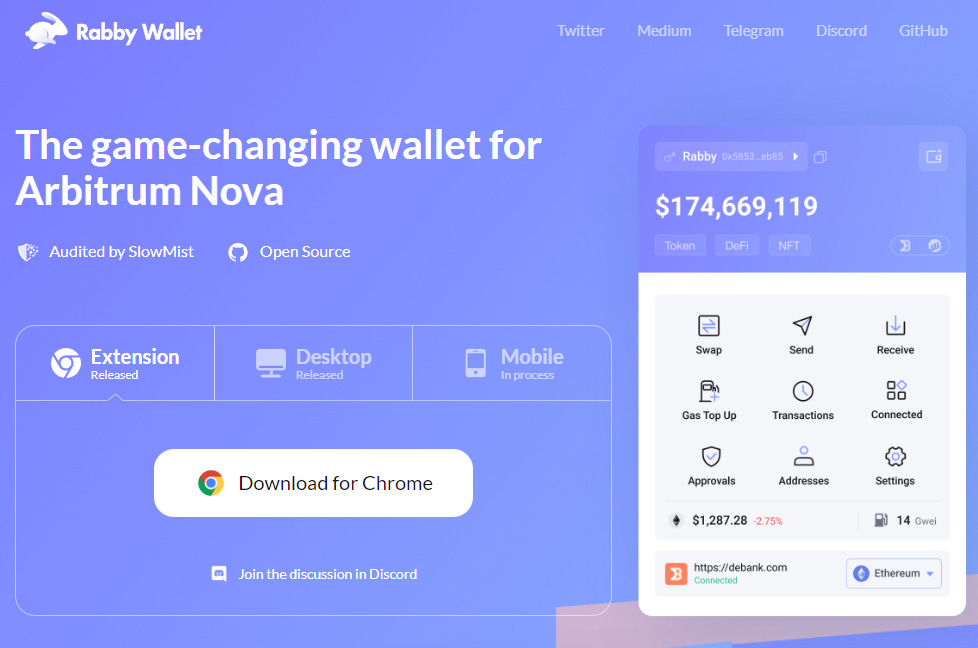
First, network discovery should be seamless. Users shouldn’t have to add RPC endpoints for each chain. That’s boring and error-prone. Second, transaction context must be explicit; show chain, contract, and estimated fees upfront. Third, permission hygiene needs to be visible and reversible. I’m not 100% sure every wallet nails all three, but some like rabby make this much easier by focusing on clear network switching and permission management.
My gut told me early on that people don’t read warnings. So make warnings visual and actionable. Use icons. Use short copy. Use confirmation steps that actually teach. It’s a subtle craft: you want friction that prevents mistakes, not friction that frustrates and pushes users to unsafe shortcuts.
On a personal note, I once saw a friend sign a token approval thinking it was a tip. Oof. It cost them $500 in drained assets on a small chain with poor tooling. That moment changed how I prioritize safety in wallets. I now push for immediate revoke flows, transaction histories that are human-readable, and built-in swap routing that shows probable slippage and bridges used.
Hmm… let me rephrase that. It’s not just about adding features. It’s about designing the right defaults. Default to read-only views after suspicious approvals. Default to minimal permissions. Default to network labels that ordinary people understand, not tech-speak. Those little defaults lower the odds of catastrophic errors.
Feature-wise, here’s what I look for when comparing multi-chain browser wallets:
– Clear network management. No surprises when you switch chains.
– Permission center. One place to revoke allowances across chains.
– Built-in swapping and bridging with transparent routing information.
– Transaction simulation or “what if” previews so users see possible outcomes (failed tx, reverts, approvals).
– Hardware wallet support. Period. If you care about funds, you plug in a ledger or similar, and the extension plays nice.
On the topic of swaps and bridges—this is where many wallets try to be everything. The idea is appealing: one click from ETH to a token on Polygon. But actually routing across chains often requires trust in third-party bridges or complex smart contract flows, and that introduces counterparty and smart contract risk. So, again: trade convenience for transparency. If a swap uses a bridge with a known incident history, surface that to the user.
Okay, so check this out—wallet performance matters too. Extensions that hog memory or spawn background RPC calls make users uninstall them fast. People in the US expect apps to be snappy, and browser extensions are judged the same way. Network call batching, cached token lists, and optional RPC choices (faster nodes) help here.
On security architecture: isolate keys, minimize surface area, and adopt defense-in-depth. Use in-extension sandboxes for dapps, deny cross-origin leaks, and prefer hardware confirmations for high-value operations. Yup, it’s obvious, but implementations vary wildly.
Initially I thought a single-signer model was the simplest path—and often the most user-friendly. But then I watched teams add policy-based multi-sigs, spending limits, and session-based approvals, which provide middle-ground safety without forcing full multi-sig complexity on casual users. Actually, wait—let me rephrase that: progressive security is the sweet spot. Start simple. Offer power-user features behind clearly labeled menus.
Why I recommend trying rabby (and how to think about downloading browser wallets)
I often recommend rabby for users who want multi-chain convenience with tighter permission controls. It handles network switching cleanly, displays approvals in a straightforward way, and integrates swaps sensibly without being overly aggressive. I’m biased—I’ve spent time poking at its UX—but the real reason I point people to it is practical: fewer accidental approvals, clearer network context, and decent hardware wallet support.
Download wallets from official sources. Double check the extension ID if you’re on Chrome or the store listing on other browsers. If you’re unsure, verify community channels, GitHub repos, or reputable aggregator sites (never paste your seed into random pages). My rule: if an install prompt feels pushy or asks for too many permissions up front, walk away.
One more thing—backups. I know, I know. Nobody wants to write down seed words. But a simple paper backup stored in two separate locations beats “cloud saves” every time. If you must use cloud, treat it like a last resort and encrypt locally before upload. Somethin’ as basic as a photo of your seed is a terrible idea. Don’t do that.
FAQ
Is a multi-chain wallet riskier than a single-chain wallet?
Not inherently. Risk depends on design and defaults. A well-made multi-chain wallet isolates transactions by network, provides easy revoke options, and integrates hardware support—those features can make it safer in practice than a poorly designed single-chain option.
How should I pick a wallet for DeFi?
Look for transparency (what contracts you’re interacting with), permission controls, hardware support, and a clean UI. Try small transactions first. And keep a recovery plan: a secure backup and a habit of checking approvals every few weeks.