

Why a Smart-Card Wallet with a Mobile App Changes How You Protect Private Keys
Zoë Routh
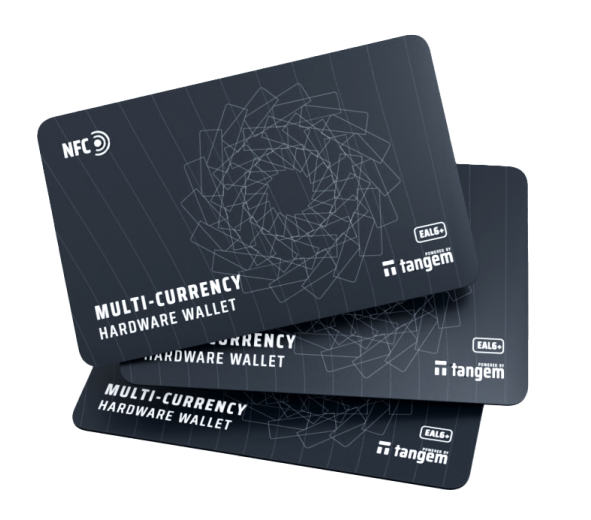
Okay, so check this out—smart-card wallets feel like a small, simple idea, but they punch way above their weight. Whoa! They put a secure element — a tiny, tamper-resistant vault — into something as familiar as a credit-card form factor. My gut said that form factor matters; people trust cards. Seriously? Yes. The first impression is immediate: you slip it in a wallet, not a drawer labeled “crypto.” Initially I thought hardware wallets had reached their peak, but then smart cards showed up and shifted the conversation about usability versus security.
The obvious win is portability. Short. You can carry a private key that never leaves the chip. Medium sentence here to explain: when a transaction is signed, the private key stays on the card and only the signature leaves it, which keeps risk paths narrow. Longer thought: because the card delegates signing via a mobile app (Bluetooth, NFC, or wired interface depending on the model), you get both everyday convenience and a high degree of isolation, though that convenience does require trusting the card’s firmware and the app’s implementation.
Here’s what bugs me about typical cold-storage setups — they’re either clunky or they trade security for ease. Hmm… some seed-phrase strategies are elegant but fragile; paper can fail, memory fades, and multisig setups get complicated fast. Smart cards simplify that lifecycle. They often store keys in secure elements certified to recognized standards (FIPS, Common Criteria — not all, but some). On the other hand, certification isn’t a silver bullet. Actually, wait—let me rephrase that: certs help, but they don’t replace careful threat modeling. On one hand, a smart-card can resist physical tampering; though actually, a determined attacker with lab gear can still attempt side-channel attacks or exploit firmware bugs.
Practicalities matter. Short note: pairing matters. When you pair a smart card to a mobile app you want clear UI and simple recovery options. Medium: recovery is the thorny part — some smart-card products offer a social-recovery or backup mechanism, others rely on traditional seed phrases exported at setup (which defeats some of the value). Longer: so when choosing a product, ask how it backs up keys, how it handles firmware updates, and what happens if you lose your card — because every plan that makes you feel clever when you buy it can feel punitive months later.
What to look for (and why) — and a real-world pointer
Short checklist: secure element, isolated signing, robust pairing, transparent firmware updates. Medium: look for open security audits, an active community, and a mobile app with clear permissions (no sketchy background processes). There’s a lot of noise in product pages, and marketing loves words like “military-grade” without the receipts. Longer thought: you should favor vendors who publish whitepapers and third-party audits, who give clear instructions for loss and recovery, and who have accessible support — because cryptographic guarantees meet human error at the point of daily use, always.
If you want to see a mainstream example and get hands-on info, check this review and vendor page here. I’m biased toward solutions that balance UX and security. (oh, and by the way… some cards feel flimsy but are perfectly secure; form doesn’t always equal function.)
Let me walk through typical user flow in plain terms. Short: tap card. Approve on phone. Transaction sent. Medium: at setup you provision private keys into the card or generate them on-card; most modern cards generate keys internally so the seed never exists outside the secure element. You then connect via NFC or Bluetooth for day-to-day signing. Longer: the mobile app acts as a coordinator — it builds a transaction, sends it to the card for signing, receives the signature, and broadcasts the transaction to the network, which keeps the sensitive material separate from networked environments.
Security trade-offs are unavoidable. Hmm… if you always rely on NFC you might worry about remote attacks, though NFC range is very small. If you prefer Bluetooth, make sure pairing requires physical interaction (button presses, PIN entry). Some people ask: “Is a smart-card safer than a steel plate with a mnemonic?” My instinct said yes at first, but then I thought about long-term survivability — a steel plate survives fires, cards don’t. So actually, you might want both: a secure card for daily ops and a hardened backup for catastrophic recovery.
Usability wins here are big. Short: fewer typed words, less fumbling. Medium: novices can walk into a store, pay, and still manage a crypto transfer without typing 24 words. That reduces user error, and errors are a leading cause of loss. Long thought: those quality-of-life improvements increase adoption, but they also attract attackers who look for software bugs in companion apps or intercepts during initial pairing — so vigilance is necessary.
Some rough rules I follow when evaluating a smart-card wallet: 1) The key must be non-exportable. 2) Signing should require an explicit user action. 3) Firmware updates should be cryptographically signed and verifiable. 4) The vendor should publish audits and a clear vulnerability disclosure policy. These are simple, but surprisingly few vendors tick every box.
Common questions
Can a smart-card wallet be hacked over Bluetooth?
Short answer: possible but unlikely if best practices are followed. Medium explanation: credible vendors implement authenticated pairing, encryption, and require physical confirmation for signing. Longer nuance: attackers could target the mobile app or the underlying OS, so treat the phone’s security as part of the chain — keep software up to date and avoid sideloading sketchy apps.
What if I lose the card?
There are options. Short: backups, redundancy, or social recovery. Medium: some systems let you generate a recoverable seed during setup (careful!), others split keys across multiple cards or use multisig. Longer thought: plan for loss like you’d plan for a house fire — have an offsite, durable backup (steel plate, bank safe deposit, trusted lawyer) and make sure the recovery process is tested at least once (on a small amount) so you don’t discover gaps under stress.
Is this right for me?
If you value everyday convenience plus strong isolation, yeah. Short: yes for active holders who still want security. Medium: if you hold big sums cold and never touch them, a paper/steel backup and an offline signer might be more appropriate. Longer: consider threat model, technical comfort, and whether you need features like multisig or enterprise provisioning — the card is a tool, not a one-size-fits-all magic bullet.